
A Nation of Many Peoples
Myanmar is not one culture or one story. The Bamar majority lives largely in the central lowlands, while Karen, Shan, Kachin, Chin, Mon, Rakhine, Rohingya, Karenni, and many other communities have distinct languages, histories, and traditions.
This diversity is one of the country's great gifts. It also helps explain many of Myanmar's unresolved conflicts, which involve not only national politics but questions of identity, land, language, religious freedom, and self-determination.
Hospitality and the Table
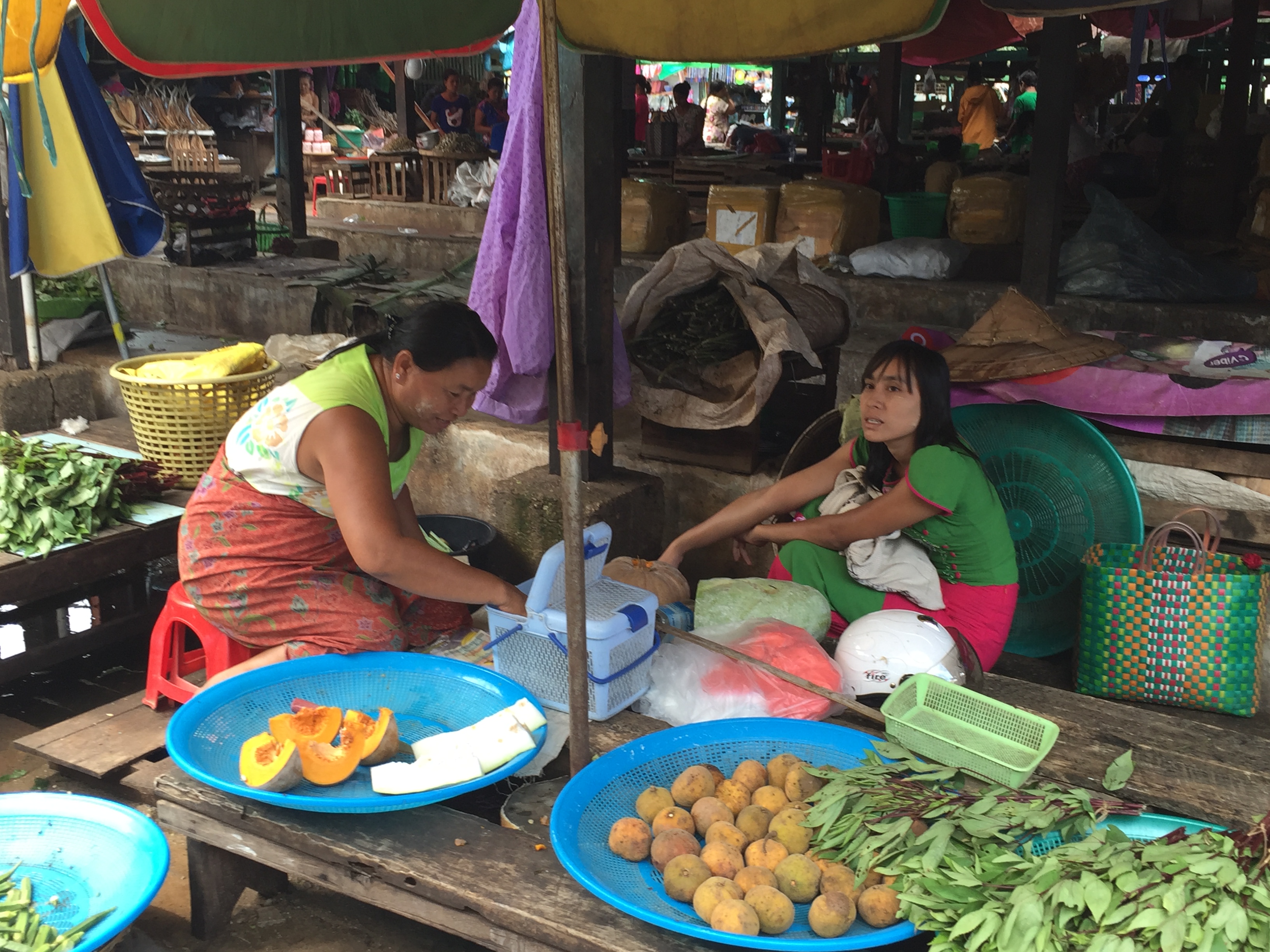
Hospitality is woven into daily life. Tea is offered. Meals are shared. Markets serve as places of commerce and community. Mohinga, a fish-and-noodle soup, is eaten across the country, often for breakfast. Laphet thoke, a tea-leaf salad, reflects a food tradition found nowhere else in quite the same form.
To share a meal with a family in Myanmar is often to be welcomed not merely as a guest, but as a friend.
A Culture That Values Education
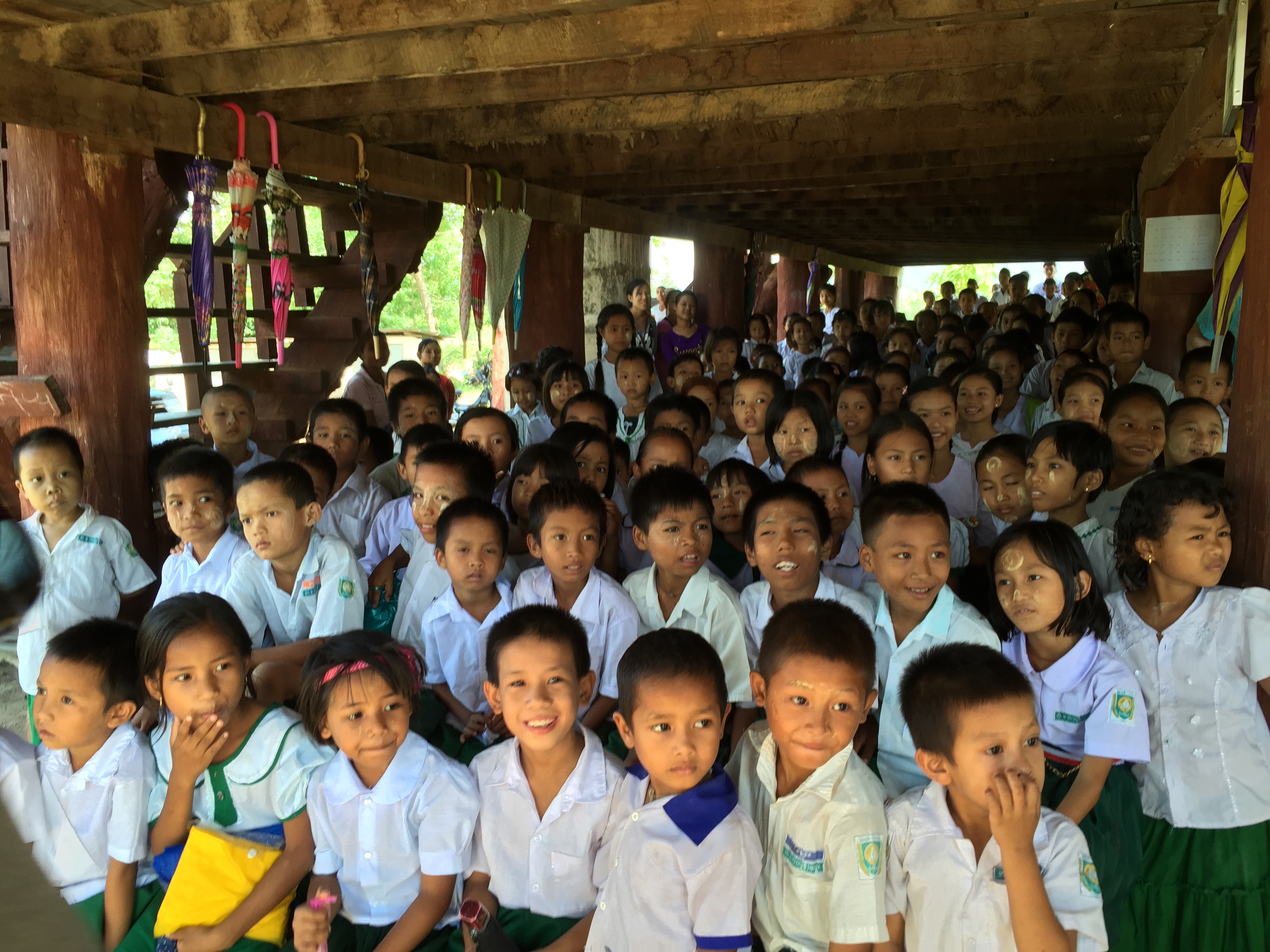
Myanmar's commitment to learning has deep roots in Buddhist monastery schools, which taught reading and religious texts for centuries. Education remains a source of pride and hope across many communities. Families sacrifice to keep children learning, and teachers continue their work even where formal schools have closed.
That history makes the disruption of education since 2021 especially painful. Yet it also explains why parents, churches, and community teachers continue creating classrooms wherever safety allows.
A Land of Beauty and Abundance
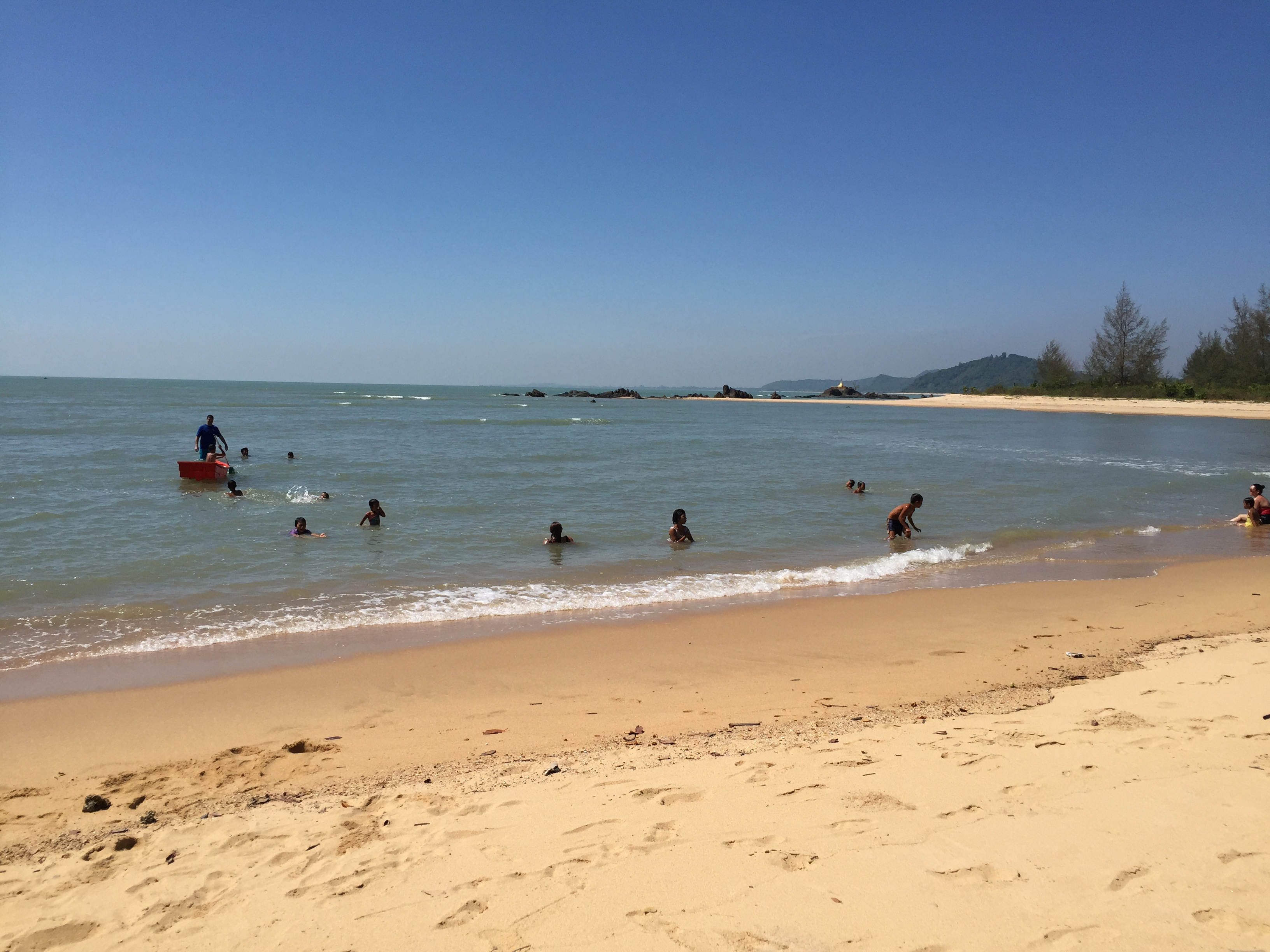
The temples of Bagan rise across a vast central plain. The Irrawaddy River runs from the northern mountains toward the sea. Inle Lake, forested hills, fertile deltas, and a long coastline make Myanmar one of the most geographically varied countries in Southeast Asia.
The country is also rich in jade, precious stones, natural gas, timber, and agricultural land. Its widespread poverty is not the result of an absence of resources, but of decades of conflict, extraction, isolation, and unequal access.
The Truth to Remember
Myanmar's people should never be reduced to victims of a crisis. They are parents and students, farmers and teachers, artists and pastors—people with ordinary joys, strong communities, and hopes for the future.