
A Nation of Extraordinary People
If you have never been to Myanmar, you may not know what the rest of the world has been slow to say: the people are remarkable. Travelers who visit Myanmar often describe it as one of the most welcoming places they have ever been. Strangers offer tea. Children wave from doorways. Families share meals with people they have just met.
This warmth is not a performance. It is part of who the Burmese people are — a deeply relational culture that values community, hospitality, and dignity. Despite decades of hardship, that generosity of spirit has not been taken from them.
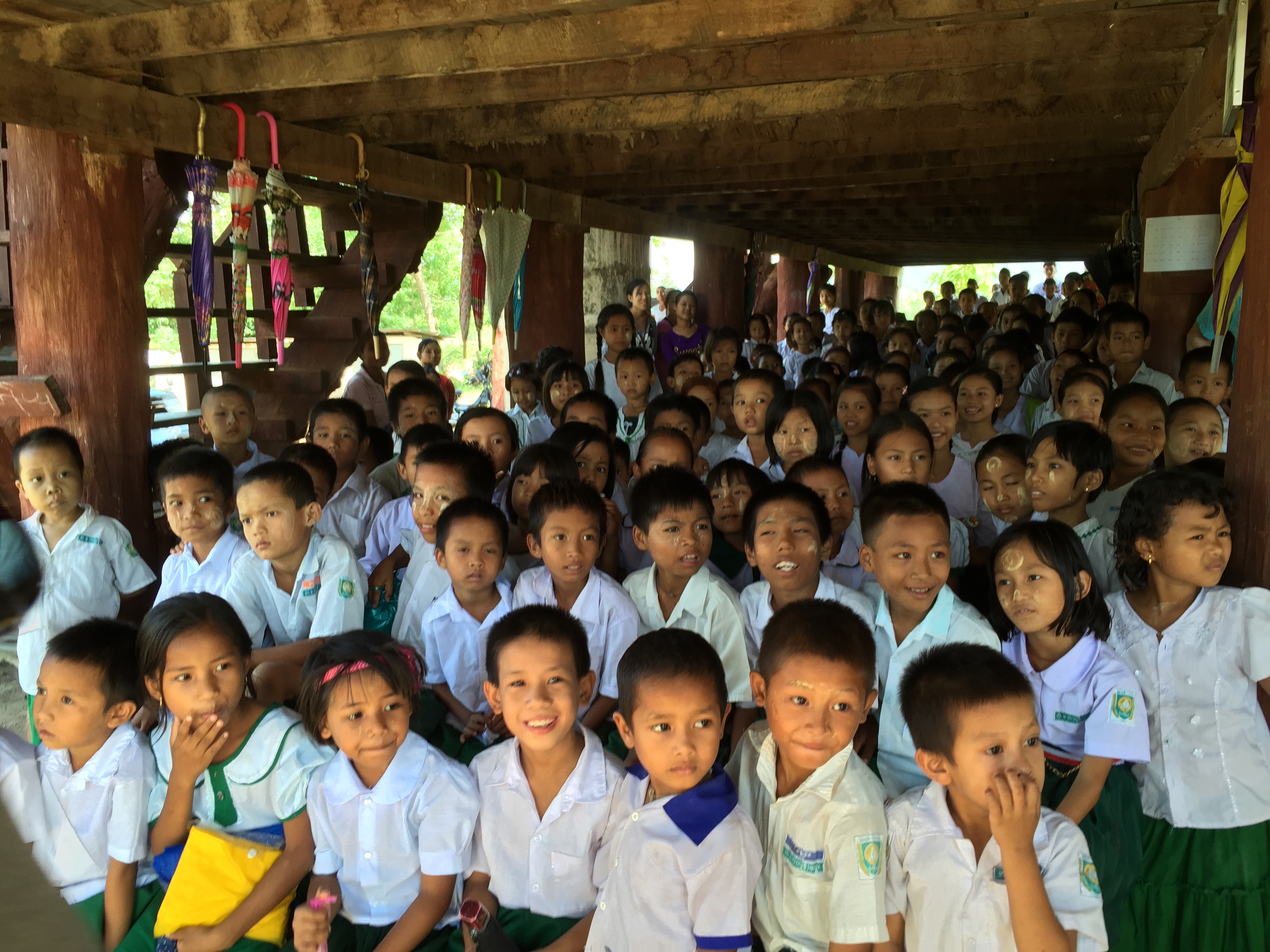
"It is a beautiful country with beautiful people. The food is fantastic, the culture is warm and friendly, and the people carry a hope that is hard to explain given everything they have faced."— Kristen Jones, President, Strategic Global Missions
A Culture That Has Always Valued Education
Long before colonial powers arrived, Myanmar had a tradition of learning rooted in Buddhist monasteries. Monastery schools taught reading, writing, and scripture to children across the country for centuries. As a result, Myanmar had some of the highest literacy rates in Asia even before formal Western-style education was introduced.
Education remains a deeply held cultural value today. Families sacrifice to keep children in school. University graduates are respected. Knowledge is seen as one of the most important things a family can pass down. This is a people who believe in the power of learning — which makes the deliberate dismantling of Myanmar's educational system since 2021 one of the most painful aspects of the current crisis.
The University of Yangon — formerly Rangoon University — was once considered one of the finest universities in all of Southeast Asia. Students came from across the region to study there. That legacy still lives in the hearts of a people who know what excellence looks like and have not stopped reaching for it.
Did You Know?
Myanmar has a literacy rate of approximately 89% — higher than many of its neighbors. Education has been a cultural priority in Myanmar for more than a thousand years, rooted in the monastery school tradition.
Despite the chaos of recent years, families continue to find ways to educate their children — in homes, in churches, in camps, wherever safety allows.
A Mosaic of Peoples and Languages
Myanmar is not one people. It is more than 135 officially recognized ethnic groups, speaking dozens of languages and dialects, spread across mountains, river valleys, coastlines, and plains. This diversity is one of Myanmar's great strengths — and, historically, one of the sources of its deepest conflicts.
The largest ethnic group, the Bamar (also called Burman), makes up roughly two-thirds of the population and has historically held political and military power. But the other third includes communities with distinct languages, traditions, and identities — many of whom have lived in the hills and border regions for generations, maintaining their own cultures alongside the dominant one.
The Bamar
The majority ethnic group, primarily living in the central lowlands. Predominantly Buddhist, with a rich literary and artistic tradition.
The Karen (Kayin)
One of the largest ethnic minorities, living primarily in the hills and delta regions. A significant percentage are Christian, with a long history of armed resistance.
The Shan
Living in the Shan Plateau in eastern Myanmar, the Shan have their own language and a proud cultural identity. Predominantly Buddhist.
The Kachin
Living in the far north near the Chinese border, the Kachin are largely Christian and have maintained their own armed forces for decades.
The Chin
Living in the mountainous west near the Indian border, the Chin are predominantly Christian — one of the most heavily Christian regions in all of Myanmar.
The Mon
One of Myanmar's oldest civilizations, the Mon people have a literary tradition that predates Burma itself and significantly influenced Burmese culture.
Understanding this diversity matters because the conflicts within Myanmar are not simply about politics. They are also about identity, land, language, and the right of different peoples to exist on their own terms. When international observers speak of "the people of Myanmar," they are speaking of a mosaic — complex, layered, and irreducible to a single story.
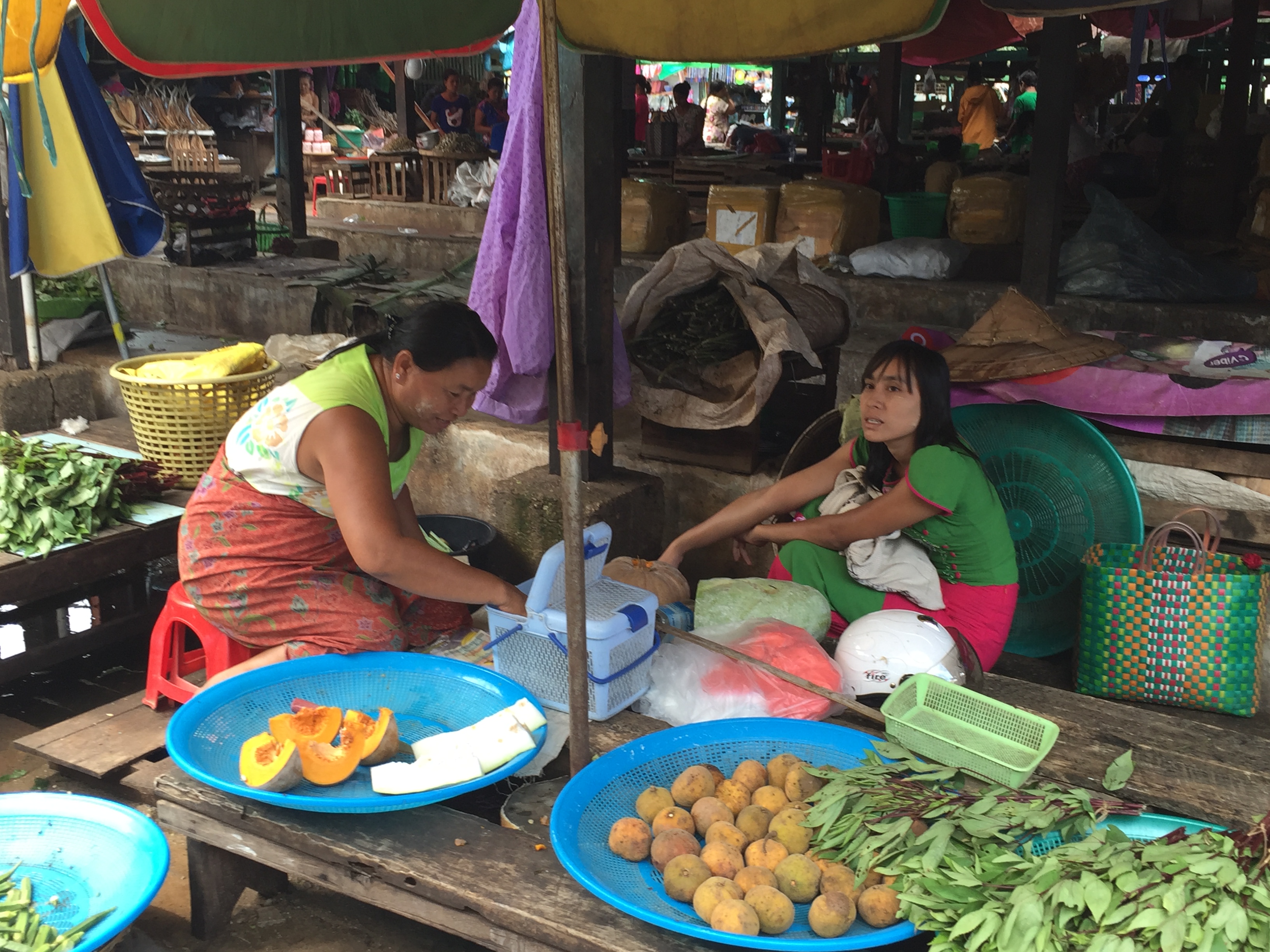
The Food. The Table. The Welcome.
In Myanmar, the table is sacred. Food is an expression of care, and sharing a meal is one of the most meaningful ways a person can offer friendship. Burmese cuisine is a beautiful blend of influences — drawing from Chinese, Indian, and Southeast Asian traditions — resulting in something entirely its own.
The national dish is mohinga: a fragrant fish noodle soup served for breakfast across the country, from roadside stalls to family kitchens. Laphet thoke — fermented tea leaf salad — is beloved and unique to Myanmar, layered with crunchy nuts and seeds and lime. Curries are slow-cooked with depth and spice. Street food fills every neighborhood with the smell of charcoal and lemongrass.
To share a meal with a Burmese family is to be welcomed not as a guest, but as a friend. That is not a small thing. In a country where so much has been taken, the table remains a place of abundance and belonging.
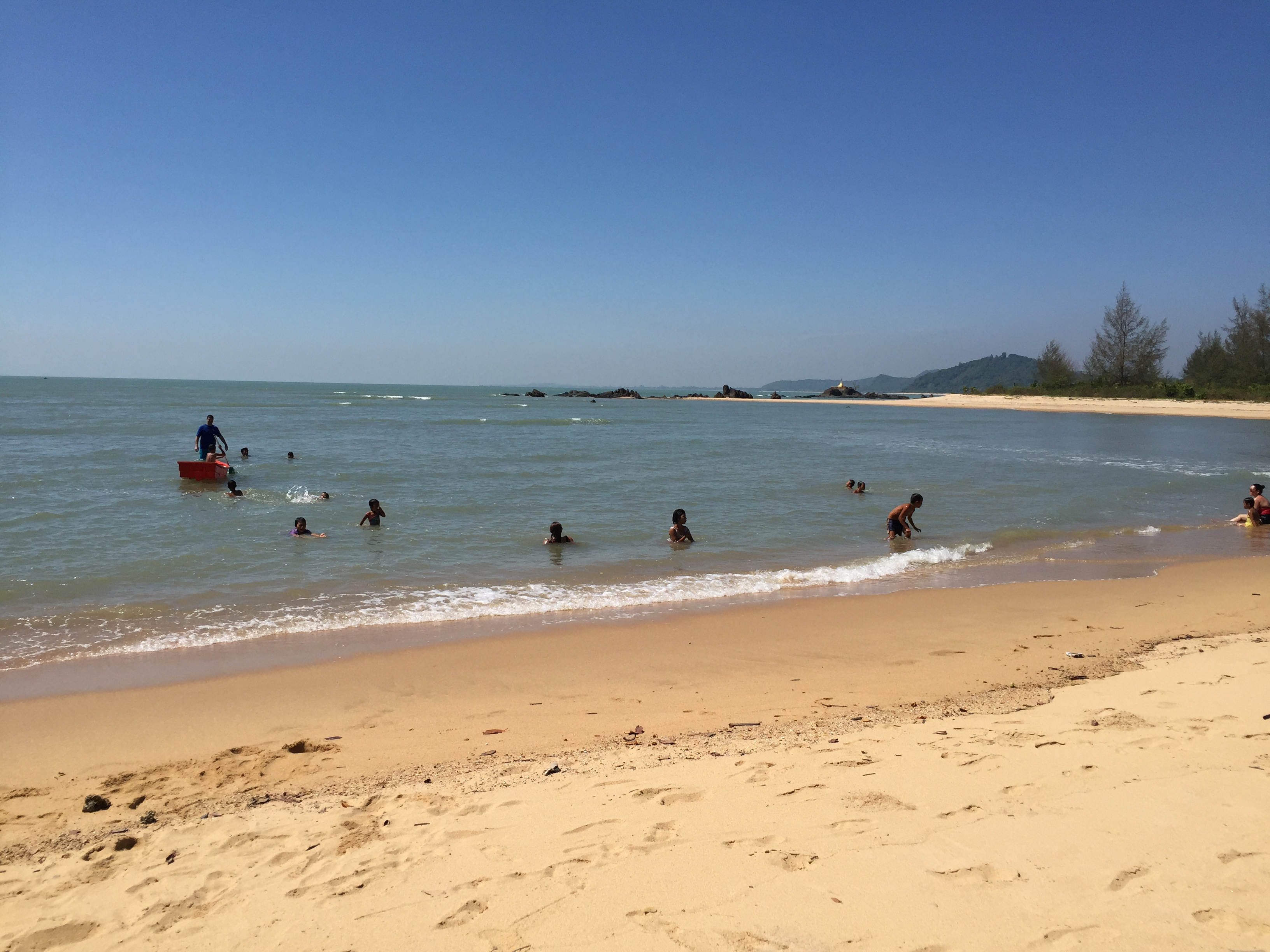
A Land of Beauty and Natural Wealth
Myanmar is a country of staggering natural beauty. The ancient temples of Bagan rise from the mist at sunrise — thousands of pagodas scattered across a wide plain, built between the 9th and 13th centuries. Inle Lake in the Shan Plateau is one of the most peaceful places on earth, its fishermen balancing on the backs of wooden boats at dawn. The Irrawaddy River flows more than 1,300 miles from the northern mountains to the sea, giving life to everything along its banks.
Myanmar is also rich in natural resources — jade, rubies, sapphires, oil, natural gas, teak, and fertile agricultural land. By every material measure, Myanmar should not be a poor country. The poverty its people experience is not the result of a lack of resources. It is the result of decades of mismanagement, military extraction, and deliberately maintained inequality.
The beauty of Myanmar is real. And the tragedy is real. Both things are true at once, and understanding that is essential to understanding the people who live there.
A Hopeful People
Perhaps the most remarkable thing about Myanmar's people is this: after everything — after decades of military rule, ethnic conflict, economic hardship, and the devastation of the 2021 coup — they have not given up hope. You see it in parents who find ways to educate their children when schools are closed. In communities that rebuild after bombings. In young people who organize, create, and dream even under impossible conditions.
This is not naive optimism. It is a hard-won, clear-eyed hope rooted in something deeper than circumstances. For the Christian communities of Myanmar, that hope has a name. And that faith — expressed through local churches, local leaders, and decades of quiet faithfulness — is one of the most extraordinary things happening in the world today, even if the world is not watching.
"The people of Myanmar have been oppressed and systematically overlooked for decades. The world has not paid enough attention. We believe that is changing — and we want to help."— Strategic Global Missions